
For individuals living with severe dry eye syndrome, keratoconus, corneal irregularities, or complications from previous ocular surgeries, standard contact lenses or eyeglasses often fail to provide adequate vision or comfort. Everyday tasks like driving at night, reading a computer screen, or enjoying outdoor activities can become exhausting hurdles. If you have been told in the past that you are not a candidate for traditional contact lenses, custom scleral lenses Wake Forest residents trust offer a revolutionary solution to restore clear vision and lasting comfort right in your local area.
Custom-fit scleral lenses are revolutionizing eye care for patients across the Wake Forest and Raleigh areas.This comprehensive, in-depth guide explores everything you need to know about scleral lenses in Wake Forest, how they function, who benefits from them, what to expect regarding cost and insurance, and how the specialists at Raleigh Contact Lens can help you achieve the crystal-clear, comfortable vision you deserve.
Understanding Scleral Lenses – What Makes Them Different?
To understand why scleral lenses are so successful where traditional options fail, it helps to look at the anatomy of the eye and the engineering behind these specialized devices.
The Problem with Traditional Lenses
Standard soft contact lenses rest directly on the cornea—the clear, dome-shaped front surface of your eye. If your cornea is perfectly smooth and spherical, a soft lens conforms to it beautifully and provides clear vision. However, if your cornea is irregular, warped, scarred, or highly sensitive, a soft lens will mold to those irregularities rather than correcting them.
This leads to distorted vision, frequent lens movement, and intense physical discomfort.On the other hand, traditional Rigid Gas Permeable (RGP) lenses are smaller and sit directly on the cornea. While they provide sharp vision by creating a new, flat optical surface, they often cause significant discomfort because they move with every blink and constantly rub against the highly sensitive corneal nerves.
The Scleral Lens Innovation
Scleral contact lenses are large-diameter, rigid gas-permeable lenses designed specifically to vault completely over the cornea and rest entirely on the sclera (the white part of the eye).By completely bypassing the sensitive cornea, scleral lenses create a perfectly smooth, uniform optical surface over the eye. The space between the back surface of the scleral lens and the front of your cornea is filled with a sterile, unpreserved saline solution. This creates a continuous "liquid bridge" or fluid reservoir.This unique design delivers two major breakthroughs simultaneously:
Flawless Optics: The liquid reservoir neutralizes corneal irregularities, astigmatism, and distortions, sending a perfectly focused stream of light to the back of your eye.
Continuous Hydration and Comfort: The cornea remains continuously bathed in a soothing bath of sterile moisture. Because the sclera has far fewer nerve endings than the cornea, the physical sensation of wearing the lens is remarkably comfortable—often described by patients as feeling like a soft lens or even feeling like nothing at all.
Who is a Candidate for Scleral Lenses in Wake Forest?
Scleral lenses are custom-engineered medical devices. While they can be worn by anyone seeking incredibly stable, crisp vision, they are primarily prescribed to treat specific corneal conditions, ocular surface diseases, and refractive errors.
1. Keratoconus and Pellucid Marginal Degeneration
Keratoconus is a progressive eye condition where the cornea thins and gradually bulges outward into an irregular cone shape. This distortion causes severe blurred vision, ghosting, halos, and extreme sensitivity to light. Because the cornea is no longer spherical, eyeglasses and standard soft lenses cannot correct the distortion. Scleral lenses are widely considered the gold standard for keratoconus management, providing sharp, stable vision and delaying or entirely preventing the need for invasive corneal transplant surgeries.
2. Severe Dry Eye Syndrome (DES)
Chronic dry eye is more than an inconvenience; it can cause debilitating pain, burning, redness, and fluctuating vision. When traditional treatments like artificial tears, punctal plugs, and prescription drops fail to offer relief, scleral lenses step in as a therapeutic environment. By trapping a constant reservoir of unpreserved saline against the eye, scleral lenses shield the ocular surface from environmental irritants and wind, allowing the damaged corneal epithelium to heal.
3. Post-Surgical Corneal Irregularities
Patients who have undergone corneal surgeries sometimes develop unexpected irregularities or structural instabilities. These procedures include:
LASIK, PRK, or SMILE: In rare cases, laser vision correction can result in corneal ectasia (warping) or severe post-operative dry eye.
Radial Keratotomy (RK): This older surgical technique often causes severe irregular astigmatism and vision fluctuations decades after the procedure.
Corneal Transplants (Penetrating Keratoplasty): After a transplant, the donor cornea may have an irregular shape or high levels of astigmatism that cannot be corrected with glasses.
4. High Refractive Errors and Severe Astigmatism
If you have an exceptionally high prescription for nearsightedness (myopia), farsightedness (hyperopia), or astigmatism, standard contact lenses may shift, rotate, or fail to center correctly. Because scleral lenses rest securely on the stable sclera, they do not rotate when you blink. This provides incredibly stable, uncompromised visual acuity throughout the entire day.
The Incredible Benefits of Scleral Lenses
Investing in custom scleral lenses offers life-changing advantages that extend far beyond simple vision correction.
Crystal-Clear Visual Acuity
Because the lens creates a brand-new, mathematically perfect front surface for the eye, ghosting, double vision, glare, and starbursts are dramatically reduced or eliminated. Many patients achieve 20/20 vision—or better—for the first time in years.
Unparalleled, All-Day Comfort
Because the lens does not touch the highly sensitive cornea and instead rests on the less-sensitive sclera, physical awareness of the lens is minimal. The fluid reservoir eliminates the friction caused by eyelids rubbing over an irregular cornea during blinking.
Stability and Security
Traditional small RGP lenses are notorious for popping out of the eye during sports, sudden head movements, or in windy environments. Scleral lenses fit snugly under the eyelids, making it virtually impossible for them to dislodge accidentally. This makes them excellent for active individuals living in Wake Forest who enjoy hiking, cycling, or playing sports.
Protection and Healing
For individuals with compromised ocular surfaces, the continuous fluid bath acts as a protective shield. It prevents corneal scarring, promotes cellular healing, and insulates the eye from airborne allergens, dust, and dry North Carolina air.
The Custom Fitting Process – What to Expect
Achieving the perfect fit for a scleral lens requires a high degree of specialization, advanced diagnostic technology, and patience. Unlike standard contact lenses, which are selected from a pre-manufactured fitting set, every scleral lens is a bespoke creation built uniquely for your specific eye shape.When you visit a specialist like those at Raleigh Contact Lens, your fitting journey will typically involve the following steps:
Step 1: Comprehensive Ocular Evaluation
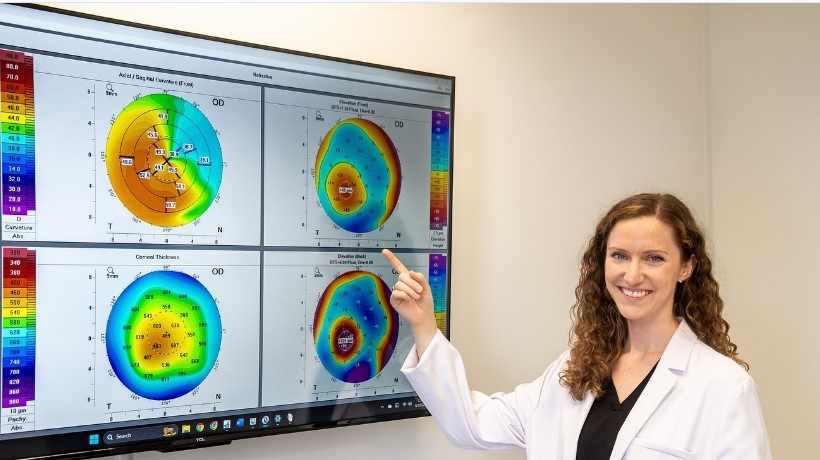
Your eye health history is thoroughly reviewed, and advanced diagnostic testing is performed. This includes Corneal Topography or Tomography, which maps the exact curvature, elevation, and irregularities of your cornea in a detailed 3D digital image.
Step 2: Diagnostic Lens Placement
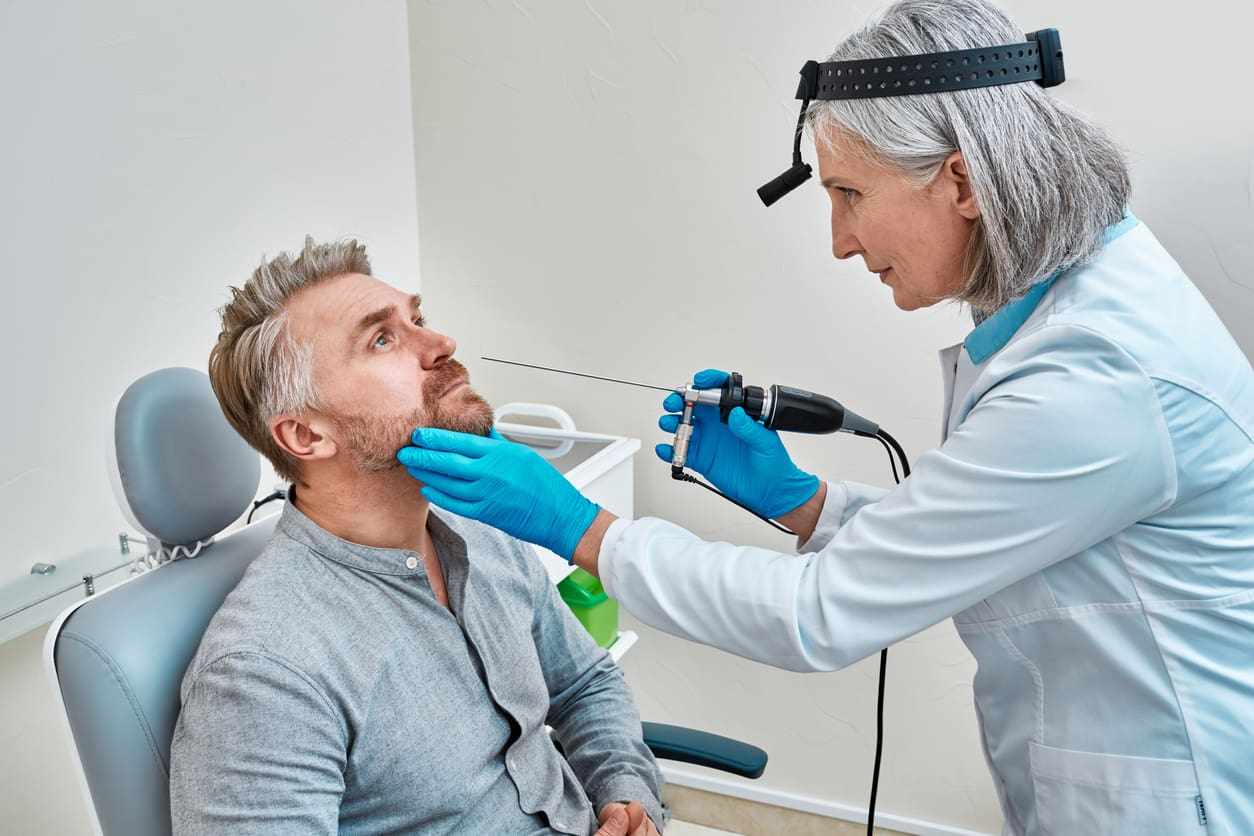
The specialist will place a diagnostic scleral lens on your eye filled with saline and a small amount of fluorescein dye. Using a slit-lamp biomicroscope equipped with a blue light, the practitioner evaluates how the lens vaults over the cornea and settles on the sclera.
Step 3: Precise Measurements and Custom Ordering
Using data from the topography map and the diagnostic lens assessment, calculations are made to adjust the lens clearance, peripheral curves, and power. This highly customized data is then sent to a specialized laboratory where your unique lenses are fabricated from high-oxygen-permeable materials.
Step 4: Delivery, Training, and Dispensing
Once your custom lenses arrive, you will return to the clinic for a delivery appointment. The specialist will verify the fit and visual acuity. You will also receive comprehensive, one-on-one training on how to properly insert, remove, clean, and store your new lenses.
Step 5: Follow-Up Care and Fine-Tuning
Scleral lenses often require minor adjustments to achieve the absolute best balance of comfort and vision. Over the course of a few weeks or months, follow-up appointments ensure your eyes are adapting perfectly, the fluid clearance remains stable, and your eye health is fully preserved.
Understanding Scleral Lenses Cost and Insurance
One of the most frequent questions patients ask when researching advanced vision care is: What is the cost of scleral lenses?Because scleral lenses are highly customized medical devices that require specialized diagnostic equipment and multiple intensive fitting appointments, their initial cost is higher than standard soft contact lenses or eyeglasses.
Factors Influencing the Cost
The overall financial investment for scleral lenses depends on several variables:
Complexity of the Condition: Fitting a severely deformed cornea from advanced keratoconus or past surgical complications requires more intricate design adjustments than fitting a relatively uniform eye for dry eye relief.
Technology Used: Practices utilizing top-of-the-line 3D corneal mapping and custom software provide a more accurate fit, reducing the overall time to find the perfect configuration.
Follow-Up Appointments: The cost typically bundles the diagnostic procedures, the custom lenses themselves, and a specified window of follow-up visits to ensure accuracy.
Is It Covered by Insurance?
The good news is that many vision and medical insurance plans recognize scleral lenses as a medically necessary treatment rather than a cosmetic choice.If you have a diagnosed condition such as keratoconus, severe corneal ectasia, advanced dry eye syndrome, or corneal scarring, your vision insurance provider (such as VSP, EyeMed, or others) may cover a significant portion—or even the entirety—of the fitting fees and materials. At Raleigh Contact Lens, the dedicated administrative team works directly with patients to navigate insurance benefits, submit prior authorizations, and help maximize coverage to minimize out-of-pocket expenses.
Daily Care, Maintenance, and Best Practices
To preserve your eye health and extend the lifespan of your custom scleral lenses, proper daily hygiene and care are essential.
Insertion and Removal
Inserting a scleral lens involves filling the bowl of the lens completely to the brim with sterile, unpreserved saline solution. You then lean completely forward (facing parallel to the floor), look straight down, and gently apply the lens to the eye. This ensures no air bubbles are trapped beneath the lens. Trapped air bubbles can cause dry spots and blurry vision, requiring the lens to be removed and re-inserted.Removal is performed using a specialized, small DMV suction tool that gently grips the lower edge of the lens, releasing the light suction seal and allowing it to lift away effortlessly.
Cleaning and Disinfection
Never Use Tap Water: Tap water contains dangerous microorganisms that can cause devastating corneal infections. Only use recommended, sterile ophthalmic solutions.
Daily Hydrogen Peroxide Systems: Systems like Clear Care are widely used to deeply disinfect rigid lenses overnight, removing proteins and bacteria.
Unpreserved Saline Only: When filling the lens before insertion, always use strictly unpreserved sterile saline packets or vials (such as ScleralFil or Purilens) to prevent toxic preservative buildup against your cornea.
Why Choose Raleigh Contact Lens for Your Wake Forest Eye Care Needs?
If you live in Wake Forest, North Carolina, you are only a short drive away from one of the region’s premier centers for specialized contact lens fittings. Choosing the right specialist is the single most important factor in ensuring your scleral lens journey is comfortable, safe, and successful. At Raleigh Contact Lens, patients benefit from:
Advanced Expertise: The clinic specializes specifically in hard-to-fit contact lenses and advanced ocular surface management, bringing years of dedicated experience to complex cases.
State-of-the-Art Technology: Utilizing high-resolution corneal mapping systems allows the team to design lenses with microscopic precision, reducing fitting times and maximizing physical comfort.
Compassionate, Patient-Centered Care: The team recognizes that living with compromised vision can be stressful. Every patient receives customized attention, thorough training, and continuous support throughout the entire adaptation process.
Comprehensive Financial Guidance: From exploring exact scleral lens costs to dealing with complex medical and vision insurance claims, the office ensures transparency and advocacy at every step.
Conclusion: Take the First Step Toward Clear Vision Today
You don't have to let keratoconus, chronic dry eye, or irregular astigmatism dictate your quality of life, limit your career, or prevent you from enjoying everything Wake Forest has to offer. Scleral contact lenses provide a proven, comfortable, and life-changing visual alternative that brings the world back into sharp, vibrant focus.If you are ready to find out if you are a candidate for custom scleral lenses, don't wait. Contact the trusted specialists near you today.
Visit Raleigh Contact Lens - Scleral Lenses to learn more, explore detailed options, and schedule your personalized consultation. Rediscover what it feels like to see the world with absolute clarity and complete comfort.













Write a comment ...